


Crawl space encapsulation has become a popular solution for homeowners looking to improve the air quality and structural integrity of their homes. While it’s an effective method to address moisture and mold issues, there are certain things every homeowner should consider before making a decision.
What Is A Crawl Space Foundation?
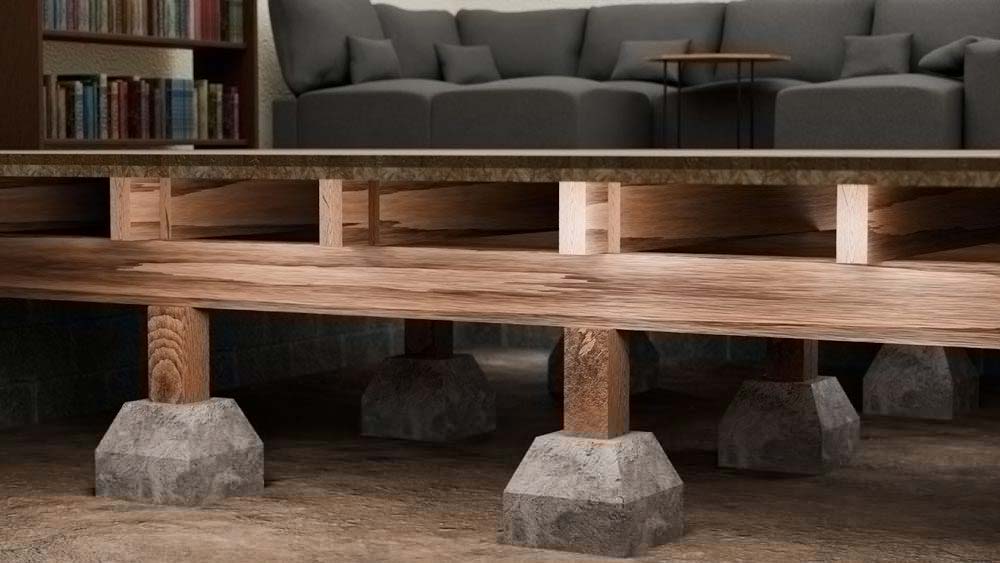
A crawl space foundation is a type of foundation that establishes a small, accessible area between the ground and the bottom of a building. Typically ranging from one to three feet in height, a crawl space foundation consists of a raised structure supported by piers, facilitating access to utilities and easy inspection of the building’s infrastructure. Crawl space foundations were once a popular choice among homeowners, particularly in areas vulnerable to flooding or extreme temperature changes. While they are still being constructed today, their popularity has decreased over time.
Why You Don’t Want Moisture In A Crawl Space
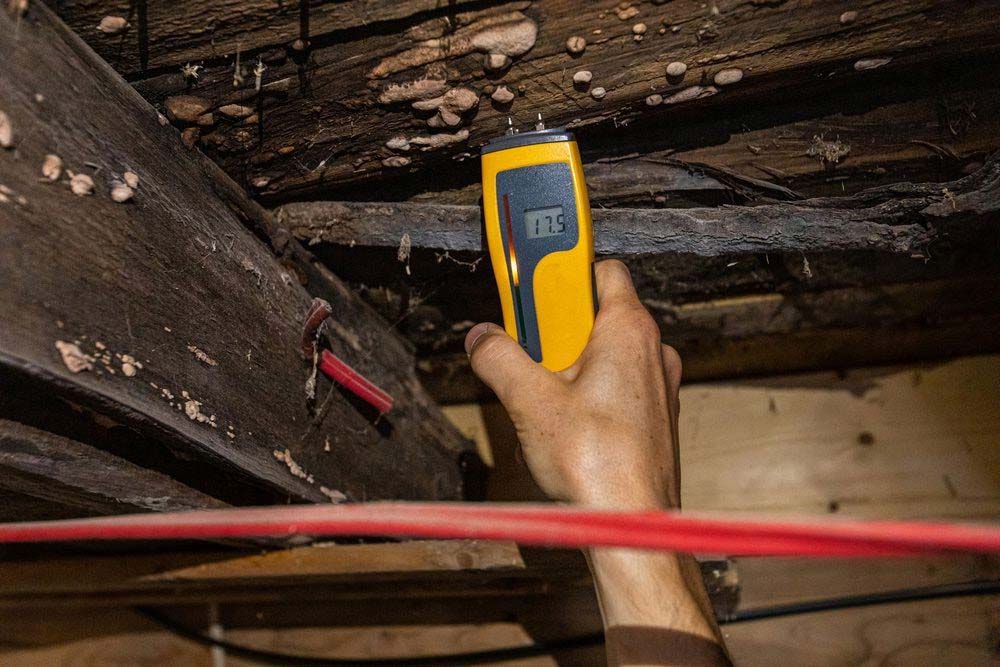
Moisture is a silent destroyer of crawl spaces. Here’s why keeping this area dry is crucial:
- Structural Damage: Prolonged exposure to moisture can significantly weaken the wooden support structures in the crawl space, potentially leading to costly repairs that may involve not just the replacement of wood but also structural reinforcements to ensure safety and stability.
- Mold Growth: Moist environments serve as ideal breeding grounds for mold, which can lead to serious health risks, including respiratory issues and allergic reactions. Additionally, mold can damage the wooden support structures in the crawl space, compromising the integrity of your home.
- Pest Infestations: Moist crawl spaces are particularly attractive to pests like termites, rodents, and other insects. These pests can cause extensive damage to your home and belongings, creating additional problems for homeowners that often require professional pest control measures to eradicate.
- Increased Energy Bills: Moist air can have a detrimental effect on the efficiency of your HVAC system, causing it to work harder to maintain comfortable temperatures. This increased workload can lead to higher energy consumption and, consequently, a significant rise in energy bills, straining your budget over time.
How Moisture Enters A Crawl Space
Understanding how moisture infiltrates your crawl space can help you take preventative measures. Common entry points include:
- Groundwater: Especially after heavy rain, groundwater can seep through cracks or porous foundation materials, leading to potential structural issues and creating a damp environment ideal for mold growth. This infiltration can be exacerbated in areas with high water tables, making it crucial to monitor and manage groundwater levels effectively.
- Air Vents: While designed to provide necessary ventilation for indoor spaces, open vents can inadvertently allow humid air to enter, significantly increasing moisture levels within the home. This can contribute to an uncomfortable living environment and promote the development of condensation, which can lead to further moisture problems.
- Leaking Pipes: Cracks or leaks in plumbing can introduce unwanted moisture into your home, leading to potential water damage and fostering an environment for mold and mildew to thrive. Regular inspection and maintenance of plumbing systems are essential to prevent unnoticed leaks from causing significant issues over time.
- Poor Drainage: Improper grading around your home can direct water toward the foundation, increasing the risk of seepage and potential flooding in basements or crawl spaces. Installing proper drainage solutions, such as French drains and downspout extensions, is vital to redirect water away from your foundation and protect your home from water-related damage.

What Is Crawl Space Encapsulation?
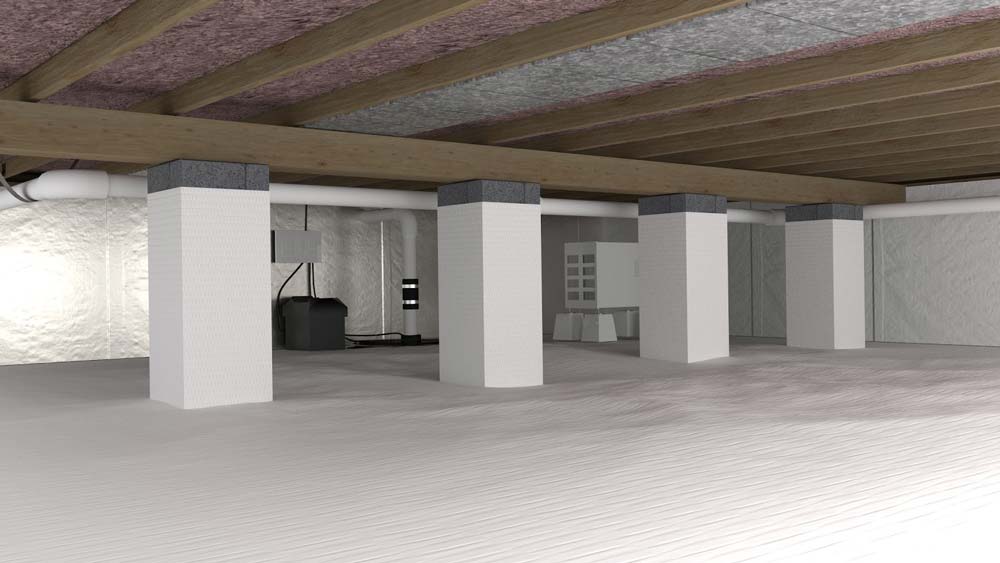
Crawl space encapsulation involves sealing the area entirely with a vapor barrier to prevent moisture entry. This barrier is typically made of thick plastic that lines the ground and walls, creating a controlled environment. Encapsulation also includes sealing vents and installing a dehumidifier to maintain low humidity levels.
Pros Of Crawl Space Encapsulation
The benefits of encapsulating your crawl space extend beyond mere aesthetics, offering a range of advantages that enhance not only the integrity of the home but also the health and comfort of its inhabitants. Below are some pros of crawl space encapsulation:
- Moisture Control: Encapsulation significantly reduces humidity levels in the crawl space, minimizing the risk of mold growth, wood rot, and deterioration of structural components. This is particularly crucial in regions with high moisture levels, where unchecked humidity can lead to extensive and costly damage.
- Improved Indoor Air Quality: By sealing off the crawl space, harmful airborne contaminants, allergens, and odors emanating from damp soil or decaying organic matter are kept at bay. This leads to a healthier living environment, reducing the risk of respiratory issues and allergies for occupants.
- Energy Efficiency: A well-encapsulated crawl space helps stabilize the home’s temperature by preventing the infiltration of cold or hot air. This results in reduced energy consumption and lower utility bills, as heating and cooling systems can operate more efficiently without the added burden of managing extreme temperature fluctuations.
- Pest Deterrence: Sealing off entry points in the crawl space can deter pests such as rodents, insects, and other unwanted critters from infiltrating the home. This proactive approach helps maintain hygiene and protects the home from potential infestations, which can lead to additional damage and health risks.
- Enhanced Property Value: Homes with encapsulated crawl spaces are often more desirable in the real estate market. The investment in encapsulation can yield significant returns, as prospective buyers may be attracted by the long-term benefits and assurance of a healthier, more stable home environment.
- Increased Storage Space: Encapsulating the crawl space makes using this area for storage easier. With reduced moisture and a cleaner environment, homeowners can safely store seasonal items, tools, and other belongings without the worry of damage from dampness.
- Long-term Structural Integrity: Encapsulation is vital in maintaining a home’s overall structural integrity by addressing moisture issues and preventing rot and decay in wooden structures. This proactive measure can save homeowners from costly repairs related to foundation instability and other structural issues.
Cons Of Crawl Space Encapsulation
While encapsulation is very effective at controlling moisture, it has one negative: The initial investment in encapsulating a crawl space can be substantial. It involves significant material costs for high-quality vapor barriers and insulation, as well as expenses related to professional installation by experienced contractors who ensure the job is done correctly.
While many homeowners consider a DIY approach to save on costs, incorrect installation can lead to ineffective results. Common mistakes might include improper sealing or inadequate drainage, which could exacerbate moisture issues, leading to mold growth or structural damage over time.
Other Things You Can Do To Prevent Moisture In A Crawl Space
If you’re not interested in encapsulation right now, consider alternative measures to curb crawl space moisture:
- Improve Drainage: To effectively protect your home’s foundation, it’s crucial to ensure that water drains away from it. Utilize proper grading techniques to slope the land away from your foundation, and install gutters and downspout extensions to manage rainwater efficiently. This will help prevent water accumulation around your home, which can lead to costly damage over time.
- Install a French Drain: A French drain system is an excellent solution for diverting groundwater away from your foundation. This type of drainage involves a trench filled with gravel or rock, containing a perforated pipe that collects and directs water away from your home, reducing the risk of flooding and water damage.
- Ventilation: While sealing vents is an essential part of encapsulation, maintaining strategic ventilation in certain situations can be beneficial, especially in arid climates. Proper airflow can help reduce moisture levels and prevent the buildup of mold and mildew, contributing to a healthier living environment.
- Sump Pump: If you live in an area prone to heavy rains or flooding, consider installing a sump pump. This device will help manage excessive water by collecting it in a sump basin and pumping it away from your home, thereby protecting your basement or crawl space from water damage during storms.
- Regular Inspection: It’s important to periodically check your home for leaks and potential plumbing issues. By inspecting your plumbing system regularly and addressing any problems promptly, you can prevent small leaks from becoming major issues, ensuring your home remains safe and dry.
While crawl space encapsulation is a comprehensive solution to moisture issues, it is a substantial investment. However, unless you live in an arid region, encapsulation is definitely worth it. Of course, you should explore all options and consult with a professional to determine the best course of action for protecting your home from moisture damage.
For more information and professional advice about crawl space encapsulation, contact us here at Foundation Professionals of Florida for a free consultation.
