


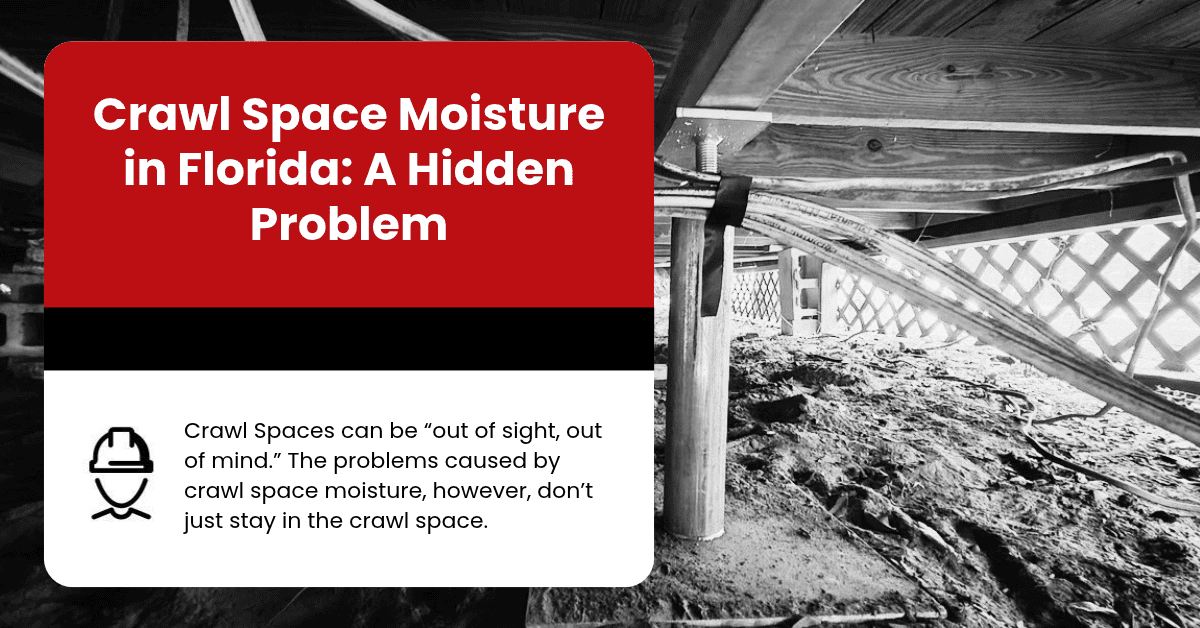
A Hidden Problem Beneath Your Floors
In Florida, moisture can collect beneath a home long before the homeowner notices anything unusual. A crawl space may be out of sight, but damp conditions there can affect wood framing, insulation, indoor comfort, and the way the home smells. A musty odor or a soft-feeling floor deserves a closer look — not an automatic assumption that the foundation has failed.
Why Florida Crawl Spaces Get Damp
Warm, humid outdoor air can enter a crawl space and condense on cooler surfaces. Rainwater may also reach the space because of poor grading, clogged gutters, short downspouts, plumbing leaks, or drainage issues. Exposed soil can release moisture into the enclosed area. More than one source may be present, so identifying where the water comes from matters before choosing a repair.
 Warning Signs Homeowners Can Recognize
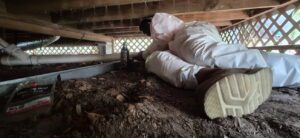
Some warning signs can be picked up from outside the crawl space: watch for musty odors and floors that feel soft or uneven. For others, it is important to inspect your crawl space. These include visible standing water, damp or fallen insulation, condensation, and staining on wood. Mold-like growth is another reason to arrange a qualified inspection because appearance alone cannot identify the type or health risk. If water is close to electrical equipment, avoid entering the area until it is safe.
What a Good Crawl Space Evaluation Should Include
A useful crawl space evaluation looks at water entry points, drainage around the home, plumbing, soil moisture, ventilation conditions, insulation, and accessible structural components. The goal is to separate a moisture-control problem from any actual settlement or wood deterioration that also needs attention.
 When Crawl Space Encapsulation Makes Sense
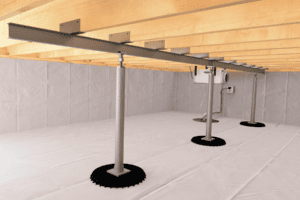
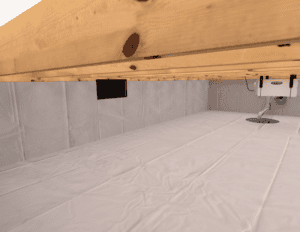
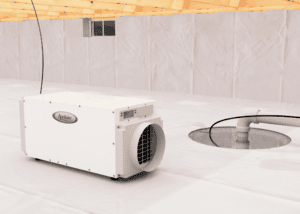
Encapsulation typically uses a durable ground vapor barrier, sealed seams and penetrations, and a moisture-management strategy appropriate to the building. Depending on conditions, that strategy may also include drainage improvements, dehumidification, or other repairs. Encapsulation should not be used to hide an active leak or standing-water problem; the source of moisture must be addressed first. Read more about the pros and cons of crawl space encapsulation.
 Why Acting Early Matters
Persistent moisture can contribute to damaged insulation, wood decay, and unpleasant odors. The sooner the cause is identified, the easier it may be to limit additional damage. Not every damp crawl space needs the same solution, and not every uneven floor is caused by moisture.
Have Questions About Your Crawl Space?
Foundation Professionals of Florida helps property owners evaluate foundation and crawl space concerns. If you have persistent moisture, odors, or signs of movement, contact FPI to discuss an inspection and practical next steps.


