


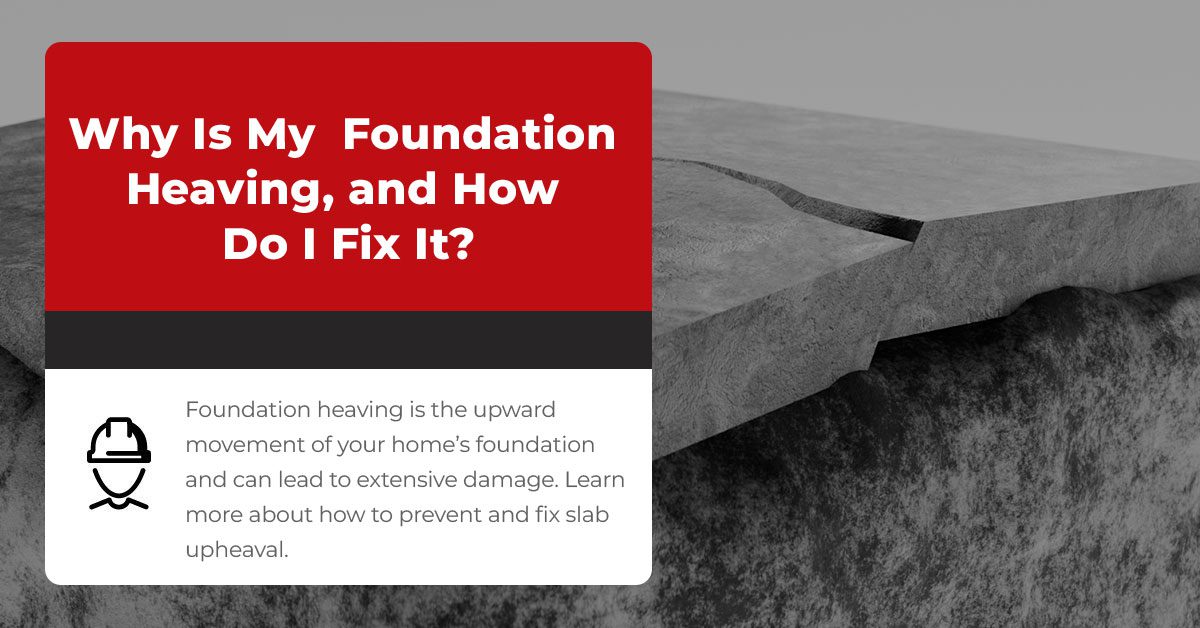
For homeowners in Florida, seeing a heaved foundation is not only concerning but can also be a daunting issue to comprehend and repair. With the state’s unique geological challenges and weather patterns, understanding the intricacies of foundation heaving is crucial. This comprehensive guide tackles the what and why of foundation heaving and provides a roadmap for addressing and preventing this issue.
What Is Foundation Heave?
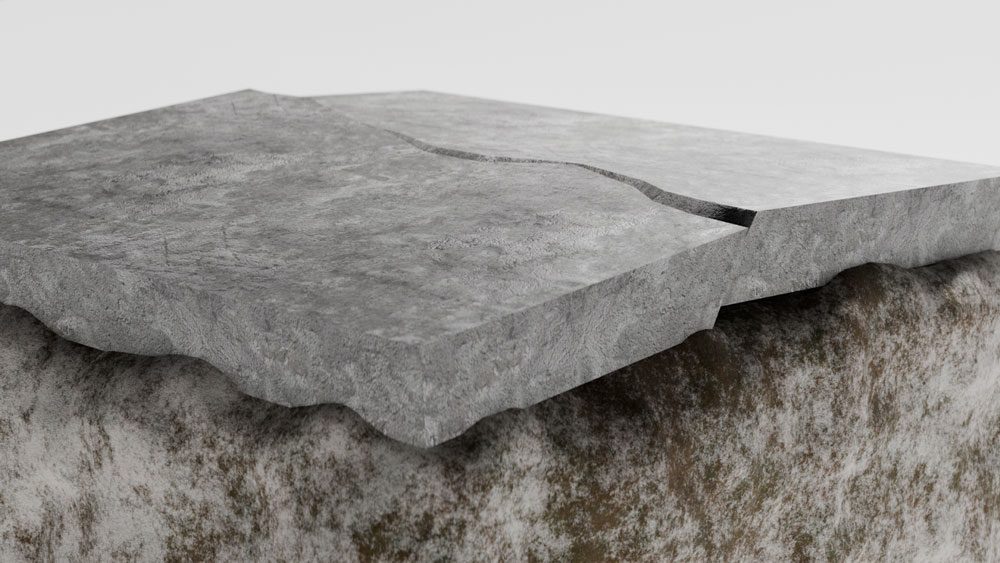
Foundation heave, also known as slab upheaval or uplift, is when your home’s foundation rises upwards or ‘heaves’ due to pressure beneath the building itself. Heaving is not a slight shift — it often indicates a significant issue that must be addressed promptly to avoid further structural damage.
What Causes Foundation Heave?
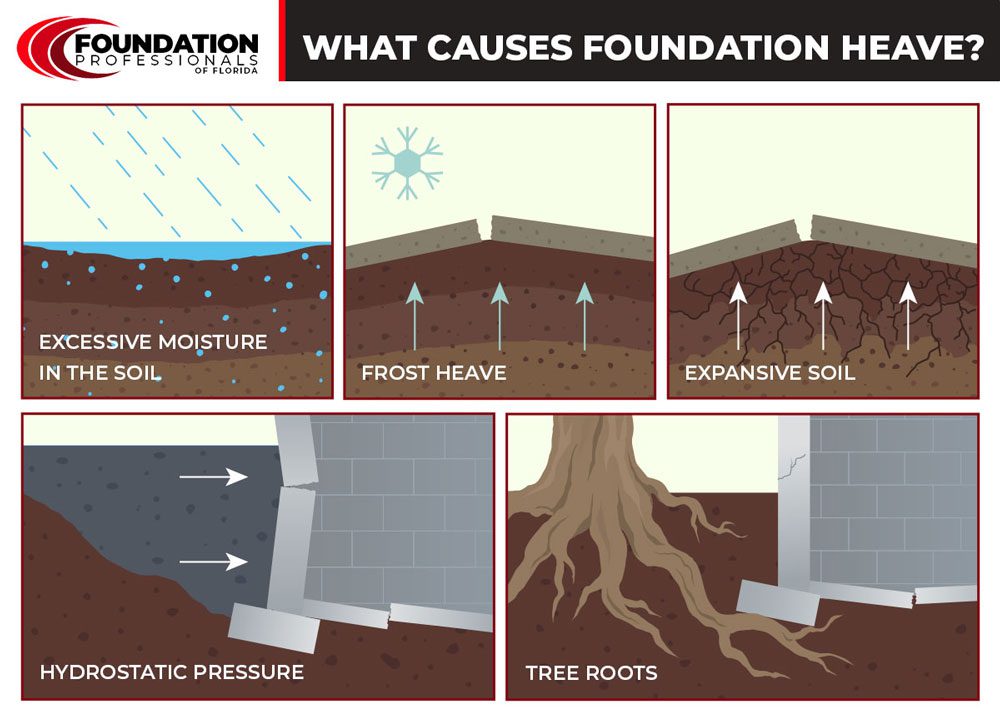
The causes of foundation heave vary, but they usually boil down to the same culprit: water. Understanding how water can affect your foundation and cause it to uplift is the first step in eventual remediation.
Excessive Moisture in the Soil
Heavy rainfall, plumbing leaks, inefficient drainage systems, or a sudden change in the water table level may lead to soil expansion, contributing to foundation heave. Florida’s semi-tropical climate is no stranger to torrential downpours, spelling trouble for foundations.
Frost Heave
In areas where the ground freezes in winter, moisture expansion within the soil causes frost heave. This force can thrust heavy structures like your home’s foundation upwards. However, this is not an issue in Florida.
Expansive Soil
Certain soil types, particularly clay-based ones, have a much higher potential for volume change due to moisture content. Such volume change can exert so much pressure on your foundation that it pushes it upwards.
Hydrostatic Pressure
Hydrostatic pressure occurs when water accumulates in the soil surrounding a foundation over time, exerting a constant force against the slab. The persistent pressure from groundwater pushes against the foundation, which can cause significant structural issues, including heaving.
Tree Roots
The quest for water and nutrients can cause tree roots to push against the foundation, especially in loose or untreated soils, leading to heaving. This process usually takes years to manifest but can be a substantial factor in long-term foundation damage.
Foundation Heaving and Settling?
It’s essential to distinguish between foundation heaving and settling since misdiagnosing the problem can lead to ineffective repairs and ongoing structural issues.
- Heaving – Foundation heaving involves an upward motion, often more abrupt than settling, and is typically caused by movement of the earth beneath the foundation due to one of the previously mentioned factors.
- Settling – Settling, in contrast, is a downward movement of the foundation into the soil. While it’s natural for a home to settle uniformly into the soil during the first two years following construction, if part of your home sinks faster than the rest, this is called differential settlement and poses a threat to the integrity of the building.
Foundation settling is more common than upheaval, and the associated symptomatic damage around the home is similar to foundation upheaval, making foundation heaving easy to misdiagnose. Hence, contacting a reputable expert is critical to ensuring the appropriate repairs.
Common Signs of Foundation Heaving
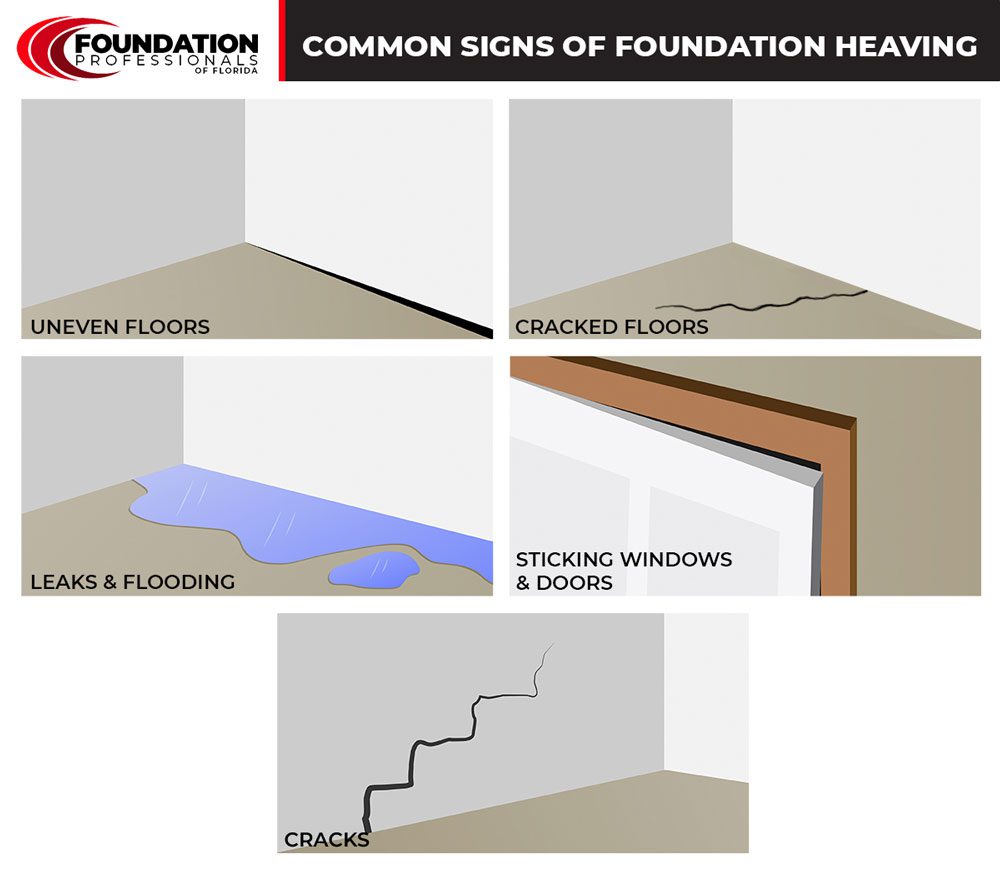
Recognizing the signs of foundation heave early is critical to containing the problem. If left unchecked, foundation heaving can lead to extensive damage, including foundation failure. If you notice any of these signs, it is imperative to contact a foundation repair company for further evaluation.
- Floor Cracks – Cracks in the floor can indicate significant upward movement.
- Uneven Floors – Sloped or buckled floors suggest the foundation has been disturbed.
- Cracked Walls – Interior and exterior walls may show cracks that are wider at one end, which is a classic sign of upward movement.
- Sticking Doors and Windows – Doors and windows that no longer open or close correctly indicate a shift in the foundation. Often, windows and doors on the ground level are the first to be affected.
- Leaks and Flooding – If you notice leaks near the foundation, it could indicate foundation cracks caused by upheaval, allowing water to seep in. The movement of your foundation can also compromise the structural integrity of plumbing fixtures embedded in the slab, leading to leaks and potential flooding.
How Do You Fix Foundation Heaving?
Homeowners need to act quickly to avoid further structural damage and be selective as to whom they trust to prevent misdiagnosis of the problem and a waste of their time and money. The solution to foundation heaving is not a one-size-fits-all approach. Each house and situation will require a unique remedy. Once an evaluation is completed, there are several foundation repair strategies a professional may employ, including:
- Grinding and Patching – In less severe cases, grinding down the affected area, followed by concrete patching, can be an inexpensive fix. It’s essential to address the cause as well with drainage solutions.
- Polyurethane Grouting – This method injects high-density polymers into the soil to create a supportive subsurface. The polymer solidifies, providing a stable foundation that resists future heaving.
- Foundation Underpinning – For more severe cases, such as when the home’s external walls have sunk while the foundation’s center is pushed upwards, underpinning may be necessary. Underpinning involves connecting your foundation to more stable soil below and lifting any sunken parts to level the foundation using helical or push piers.
- Slab Replacement – Sometimes, the only solution is to replace the affected portion of the foundation. Slab replacement is a significant undertaking but is necessary in extreme instances.
- Installing a Drainage System – Regardless of the repair method chosen, the solution’s effectiveness can be drastically improved by ensuring that your home has proper drainage. Surface and subsurface drainage systems can redirect water away from the foundation, mitigating potential heaves in the future.
It’s crucial to implement a comprehensive repair approach that rectifies the immediate problem, addresses the underlying cause, and prevents future heaves. A reliable foundation repair company will be able to help you determine what led to your foundation’s upheaval and direct you on how to prevent it from happening again.
How to Prevent Foundation Heaving
Preventing foundation heaving is far more cost-effective and less stressful than addressing the issue after it has occurred. Homeowners can take several preventative measures to protect their homes from the ground up.
- Proper Water Management – Ensure downspouts and gutters are clean and functioning and direct water away from the foundation. Install a drainage system if necessary. The goal is to maintain a consistent moisture level around your home to prevent the soil from over-saturating.
- Proper Grading and Drainage – Ensure the land around your home slopes away from the foundation, facilitating water runoff and reducing the risk of water pooling around your foundation.
- Landscaping Wisely – Plant trees and large shrubs far enough from your home so their roots do not grow towards the foundation. Consider the mature size of the plants to avoid future issues.
- Regular Inspections – Creating a schedule to check your foundation and surrounding property for early signs of trouble can help you catch problems before they escalate, saving you time, money, and peace of mind.
Foundation heaving is a significant challenge, but it can be overcome with the proper knowledge and professional assistance. By understanding the causes, signs, and repair methods, you’re better equipped to address this issue and protect your home and peace of mind.
If you suspect your home’s foundation is heaving, don’t delay seeking help. If you live in North or Central Florida, contact us for a free foundation inspection and repair estimate. The sooner you act, the sooner you can prevent further damage and make your home safe and stable again.
