


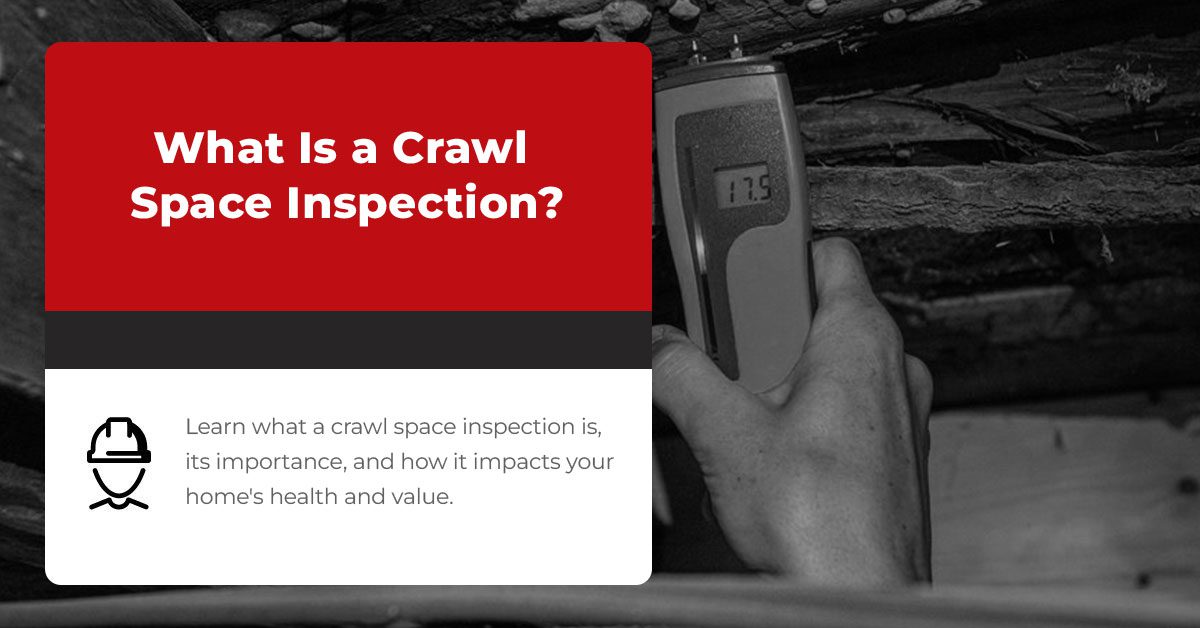
Many homeowners forget about their crawl space, that area beneath the house. However, checking it at least once a year is vital. Crawl space inspections involve thoroughly examining this often-ignored area to spot and fix any problems affecting your home and its overall health. Keeping your crawl space in good shape can prevent significant structural damage, ensure a healthy living environment, and protect your home’s value. So, what is involved in a crawl space inspection, and what should you look for?
Understanding Crawl Spaces
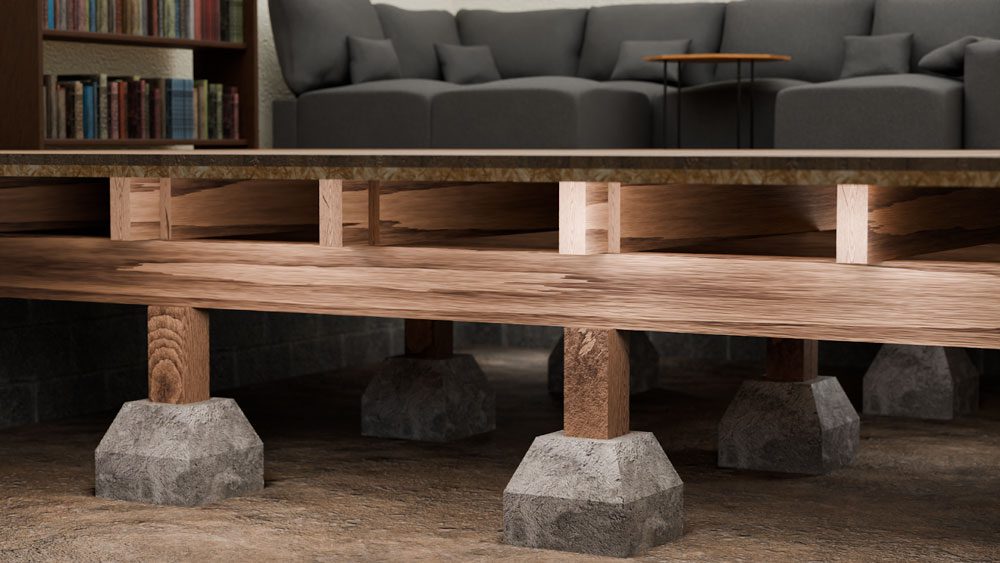
A crawl space is like your home’s hidden basement. It’s a narrow, unfinished area between the ground and the first floor. Imagine it as the tiny gap under your house where you can’t really stand up but can crawl around if needed. This space provides easy access to the house’s essential systems, like plumbing pipes, electrical wiring, and HVAC (heating, ventilation, and air conditioning) systems.
When something goes wrong, like a pipe leak or a heating system issue, workers can access the crawl space to fix it without tearing apart your walls or floors.
Even though you don’t think about it much, the crawl space is important for keeping your home stable and functional. It’s like the backstage area of a theater—out of sight but essential for everything to run smoothly.
Why Regular Crawl Space Inspections Are Essential
Experts recommend having an inspection at least once a year, preferably during the spring or fall when weather conditions are more stable. However, an immediate inspection is warranted if a homeowner notices any problems, such as moisture, mold, or pest activity. Regular crawl space inspections might not sound glamorous, but they’re necessary for a few excellent reasons.
The most important reason for regular crawl space inspections is that they catch problems early. Consider it like getting your car serviced; a little check-up can prevent breakdowns later. During a crawl space inspection, professionals often uncover various problems. By addressing these issues before they become serious, you can save significant money on repairs and prevent potential risks. Crawl spaces are notorious for moisture buildup, mold, pest infestations, and structural issues. When these problems start, they’re usually small and manageable. But if you ignore them, they can turn into major headaches.
If moisture collects in your crawl space, it can lead to mold growth, which can damage the structure of your house and create health issues. Imagine discovering mold had taken over because of a simple moisture issue that could have been resolved months ago. If you’ve ever seen moldy bread, you can picture what mold and mildew can do to wooden beams and supports. Not only is it gross, but it can also be a health hazard.
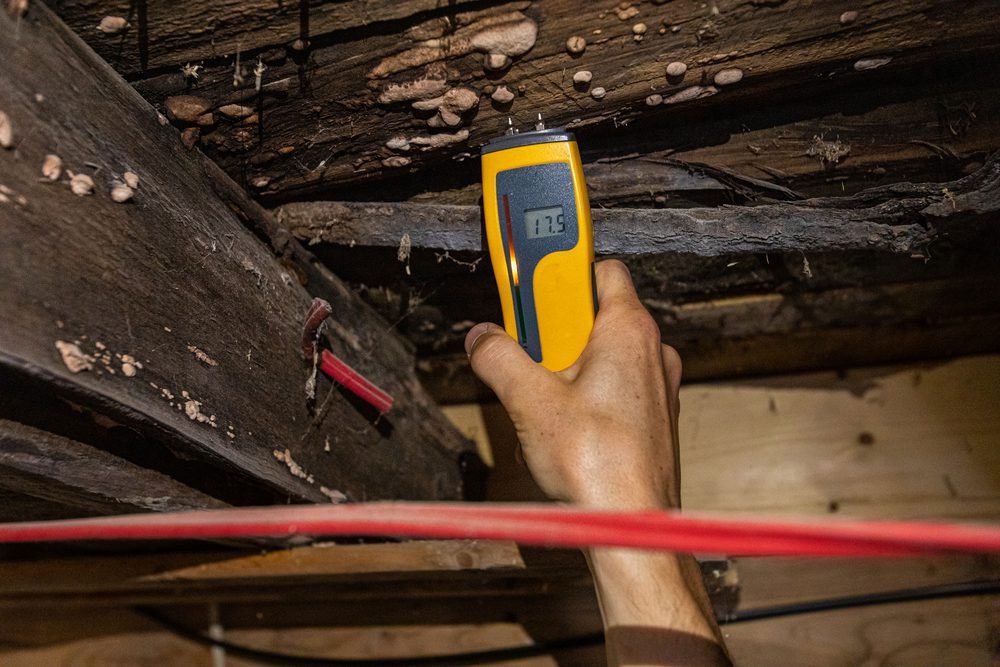
Pest infestations are another nightmare waiting to happen. Termites munching on wooden beams, rodents nesting in the insulation, and insects crawling around can all compromise the integrity of your home. These critters cause physical damage, can carry diseases, and create an unsanitary environment. Pests like termites and rodents can chew through wood and wiring, causing additional damage and safety risks in the crawl space.
If structural issues, such as sagging beams or cracked foundations, are not addressed, they can compromise the strength of your whole house. Inspectors often find foundation cracks or settling.
Getting your crawl space inspected is also about making your home more efficient. Inspectors check for insulation issues in the crawl space. Proper insulation in the crawl space will keep your home cozy in the winter and cool in the summer without your HVAC system working overtime. Ensuring your crawl space is well-insulated allows you to keep those energy costs down and make your living space much more comfortable.
Keeping your crawl space in good shape does more than prevent immediate issues—it helps your entire house last longer. A healthy crawl space is the foundation of your home’s well-being. When it’s in top condition, everything above it benefits. This ongoing maintenance helps preserve your property’s value and makes it more appealing if you sell it. For sellers, a clean bill of health from a crawl space inspection can appeal to potential buyers. For buyers, an inspection provides peace of mind, ensuring the home is in good condition and free from hidden problems. Including a crawl space inspection in the home-buying process is a wise decision for both parties.
Regular crawl space inspections are more than just a small investment in time and money. They guarantee your home’s safety and soundness in the long run. By selecting a qualified crawl space inspector, you ensure a thorough and accurate assessment, providing the peace of mind that your home is in good hands.
What Happens During a Crawl Space Inspection?
Getting a crawl space inspection is a thorough process like a detective story in which the inspector hunts down hidden problems to keep your home safe and sound. Here’s what happens:
First, the inspector checks the entry points to ensure they’re secure. You don’t want any unwanted critters or water sneaking in. Once inside, they start hunting for signs of problems, such as moisture, mold, and pests. Flashlights and headlamps are essential for visibility in often dark and confined spaces, and inspectors may use cameras to document their findings and provide visual evidence in their reports.
Next, they examine the structural components, including the foundation, support beams, and floor joists, for damage or weaknesses that could cause big problems later on.
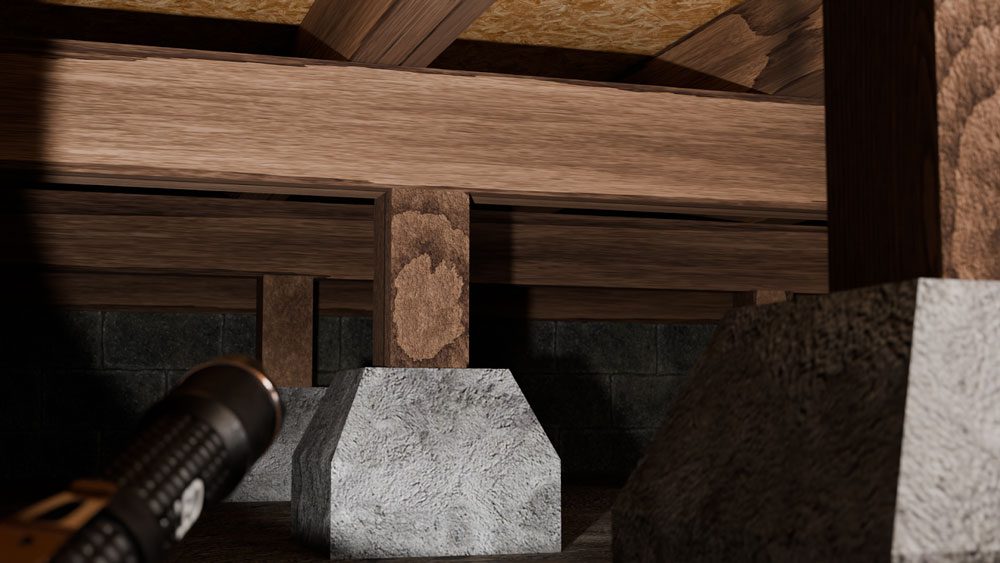
After that, they check the insulation and ventilation.
Finally, the inspector compiles everything into a detailed report. This report outlines any issues they found and recommends repairs or improvements. After a crawl space inspection, you might learn some problems that need fixing. It is crucial to jump on these repairs right away.
They might suggest improving drainage around your home, setting up dehumidifiers to keep the air dry, or installing vapor barriers to block moisture from entering. Inspectors might also recommend upgrading to better insulation materials or fixing damaged areas. Inspectors may recommend encapsulation for homes with persistent crawl space issues.
How to Prep for a Crawl Space Inspection
Crawl spaces can feel like the set of a horror movie—dark, creepy, and full of mysterious shadows but getting ready for a crawl space inspection is easier than you think. Here’s a quick guide to make sure everything goes smoothly:
- Clear the Way: First, ensure the entry point to your crawl space is free of obstructions. Move any boxes, tools, or random stuff out so the inspector can quickly get in and out.
- Light It Up: Crawl spaces can be dark and creepy, so make sure there’s enough light so the inspector sees all the nooks and crannies better. Crawl space inspectors use a variety of tools to perform their assessments. These include moisture meters to detect water levels, infrared cameras to identify temperature variations and potential leaks, and hygrometers to measure humidity levels.
- Gather Info: If you have any old reports from past inspections or details about previous repairs, dig those up. Having a record of what’s been done before can give the inspector a complete picture of your crawl space’s history and make it easier to spot any new issues.
By taking these simple steps, you’ll make the inspection process smoother and more efficient.
Why Going Pro is Worth It
Are you thinking about inspecting your crawl space yourself to save some cash? While it might seem like a good idea, DIY inspections often only catch the obvious issues. Sure, you might spot some moisture or a few pests, but the subtle, hidden problems that could turn into major headaches are easy to miss without the trained eye of a professional.
Professional inspectors bring experience, expertise, and specialized tools to the table. They can uncover issues you might need help finding and give you accurate recommendations on fixing any problems they find. Professional contractors can provide the necessary repairs and ensure they are done correctly.
Investing in a professional crawl space inspection might cost more upfront, but it can save you considerable money in the long run. While DIY might seem cheaper, going with a pro ensures a thorough check and peace of mind that you’re getting everything critical.
Why You Shouldn’t Skip Crawl Space Inspections
Crawl space inspections are essential for keeping your place in tip-top shape. When you have qualified experts inspect your crawl space regularly, you avoid costly surprises and keep your home comfy and secure. You know your home’s hidden areas are in good shape, and you’re protecting your investment. Spotting and fixing problems ensures your home stays safe, healthy, and efficient.
If you live in North or Central Florida and are worried about your crawl space, contact Foundation Professionals of Florida. We offer free inspections and estimates so you can get expert advice without any commitment. Taking care of your crawl space now means enjoying a sturdy, comfortable home for years.
