


When cracks appear in a house’s brickwork, it often sends homeowners into a tailspin of worry. Brick, after all, has long been prized for its durability and aesthetic appeal. Yet, when these steadfast structures show signs of damage, the implications can range from minor cosmetic issues to significant structural concerns. This article will explore various reasons behind cracks in a brick house, teach you how to diagnose the severity of the problem, and the most effective ways to address and prevent these issues.

Understanding Cracks In Brick House: An Overview
Before we delve into the specifics of why bricks crack and what can be done about it, it’s important to recognize that not all cracks are created equal. Some might be purely superficial, posing no real threat to the structure, while others could indicate severe underlying issues.
Types Of Brick Cracks
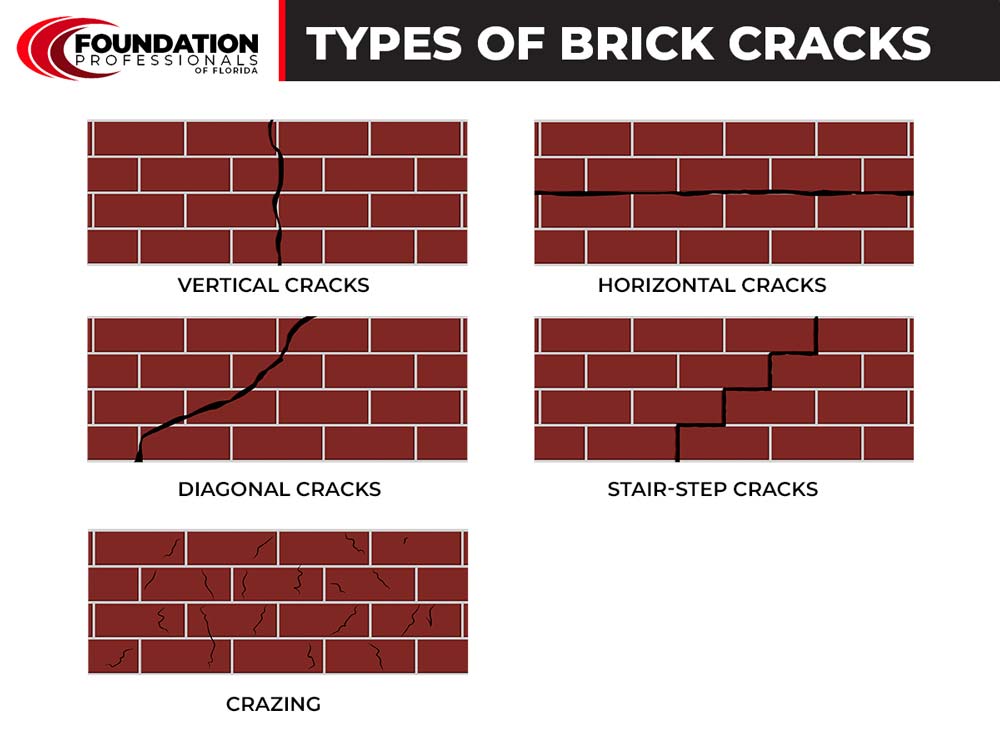
Cracks in brick walls can manifest in various patterns, each with its own set of possible causes and implications:
- Vertical Cracks: Vertical cracks are often the least concerning type of crack and may simply result from slight, natural settling of the house over time. However, in some cases, they could indicate deeper foundation problems.
- Horizontal Cracks: These are more serious and often suggest a significant issue, such as foundation movement or excessive lateral pressure on the walls.
- Diagonal Cracks: Typically seen around windows and doors, diagonal cracks often result from differential settlement, where one part of the house settles more than another, leading to uneven pressure on the walls.
- Stair-Step Cracks: Common in brick walls, these cracks follow the mortar joints in a staircase pattern and can also indicate settlement issues or thermal expansion.
- Crazing: Fine, superficial cracks that form a web-like pattern. Crazing is often just a cosmetic matter but can sometimes hint at improper curing or problems with the brick manufacturing process.
Causes Of Cracks In A Brick House
While each type of crack can be linked to specific causes, several common factors often lead to cracking in brick walls.
Foundation Movement
One of the most common reasons for cracks in brick walls is foundation movement. As it shifts—whether due to settling, soil expansion, or contraction—stress is transferred to the brick walls, leading to cracks. This movement can occur gradually over time or more suddenly, depending on the conditions.
Settling
All houses experience some degree of settling as the soil beneath them adjusts to the structure’s weight. Typically, this process is slow and causes minimal issues. However, excessive or uneven settling places significant stress on the brick walls, resulting in vertical or stair-step cracks.
Soil Expansion And Contraction
The soil beneath a house affects the stability of the foundation, especially if it contains clay. Clay-rich soils are prone to expanding when wet and contracting when dry. Both processes can exert considerable pressure on the foundation and, by extension, the brick walls.
Seasonal changes that bring heavy rain or extended dry periods can cause the soil to expand or contract dramatically. When the soil expands, it can push against the foundation, causing cracks in the brickwork. Conversely, when the soil contracts, it can lead to settling or shifting, which also results in cracks.
Thermal Expansion
Like most building materials, bricks also expand and contract with temperature changes. Over time, this thermal movement can cause cracks, especially if expansion joints are not properly incorporated during construction. What’s more, seasonal temperature fluctuations can exacerbate this issue, leading to recurrent cracking.
The role of expansion joints is to accommodate thermal movement. Without them, bricks have no space to expand as temperatures fluctuate, so they begin pressing against each other. Sooner or later, that pressure will induce damage and the cracks will appear.
Moisture Penetration
Water is often a silent yet potent adversary for brick structures. When moisture penetrates brickwork, it can set off a chain reaction of problems that eventually lead to cracks.
Freeze-Thaw Cycles
In colder climates, moisture that seeps into bricks can freeze, expanding within the brick and causing it to crack. Repeated freeze-thaw cycles can significantly damage the brickwork, so if you live in an area prone to cold winters, the damage may become more noticeable during or after the freezing season.
Mortar Erosion
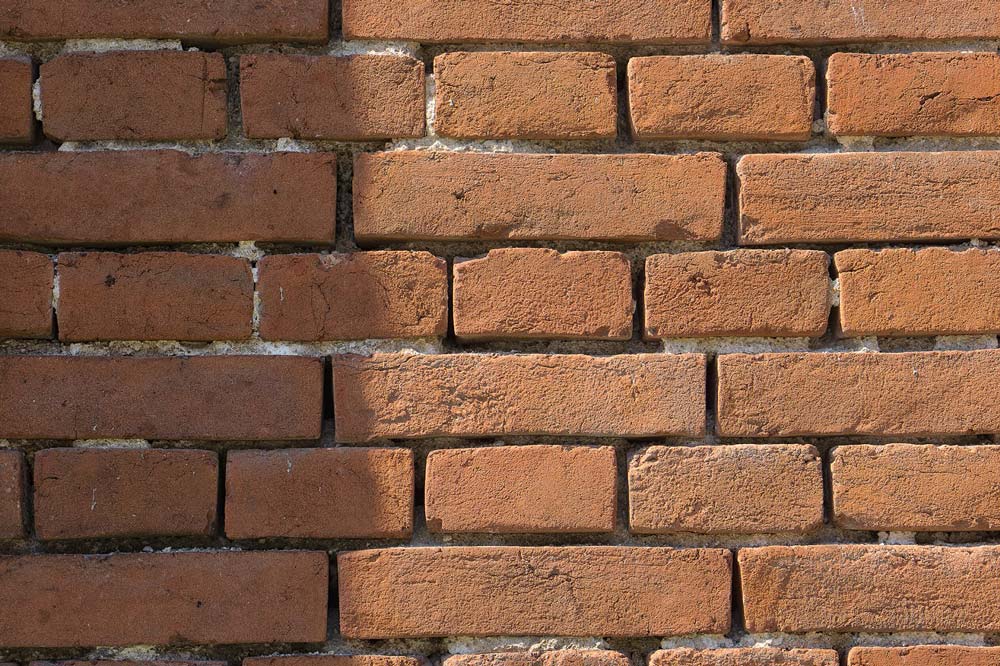
Beyond the bricks themselves, water can also erode the mortar that binds them together. Over time, this weakens the overall structure, making it more susceptible to cracking. This kind of deterioration is often seen in older homes where the mortar has been exposed to the elements for many years.
Poor Construction Practices
Sometimes, the cause of brick cracks can be traced back to the initial construction of the house. Poor workmanship can lead to cracks appearing much sooner than they would otherwise.
Inadequate Mortar
Mortar acts as the glue that holds bricks together, and if it’s not mixed correctly (too watery, lacks sufficient binding agents) or is applied unevenly—it can weaken over time. This weakened mortar can lead to cracks as it fails to provide the necessary support for the bricks.
Improper Bricklaying
Bricks need to be laid with care and precision. Failing to align them correctly, space them evenly, or bond them adequately creates points of weakness in the wall. Over time, these weaknesses can also manifest as cracks, especially when the structure is subjected to stress from settling, moisture, or temperature changes.
Environmental Factors
External elements, such as tree roots or seismic activity, can exert unexpected pressure on the foundation and brick walls.
Tree Roots
Trees planted too close to a house can cause significant issues as their roots grow and extend under the foundation, exerting pressure. This is particularly common with large, mature trees whose roots can spread far beyond the visible canopy.
Seismic Activity
In areas prone to earthquakes or even minor seismic tremors, brick structures may develop cracks. Unlike wood or metal, brick is a rigid material and doesn’t absorb movement well. Even small tremors can cause enough stress to create cracks, especially if the structure was not designed or reinforced to withstand seismic activity.
How To Diagnose The Severity Of Brick Cracks
Not all cracks in brick walls are cause for alarm, but it’s important to assess their severity to determine the appropriate course of action. Here are some key factors to consider:
- The width of the crack is a good initial indicator of the severity of the problem. Cracks less than 1/8 inch wide are generally considered minor, while those wider than 1/4 inch may indicate a more serious issue.
- Where the crack is located and the pattern it forms can also provide clues to its severity. For example, a stair-step crack that runs along the mortar joints might suggest foundation settlement, while a horizontal crack could indicate a more pressing structural issue.
- A crack might change over time. If it remains static, the issue is probably minor. However, if it continues to widen or new cracks appear, it’s time to seek professional help.
Solutions For Cracks In A Bricks House
Once you’ve identified the cause and severity of the cracks in your brickwork, the next step is determining the best way to address them. Solutions range from simple cosmetic fixes to more extensive structural repairs.
Cosmetic Repairs
For minor cracks that are purely cosmetic, there are several DIY solutions available.
- Repointing: Removing and replacing the mortar between bricks can effectively repair small cracks and prevent moisture penetration.
- Crack Stitching: Inserting metal rods into the wall and bonding them with a specialized grout provides additional support and helps prevent the crack from spreading.
Structural Repairs
More extensive repairs may be necessary for more severe cracks, particularly those caused by foundation issues.
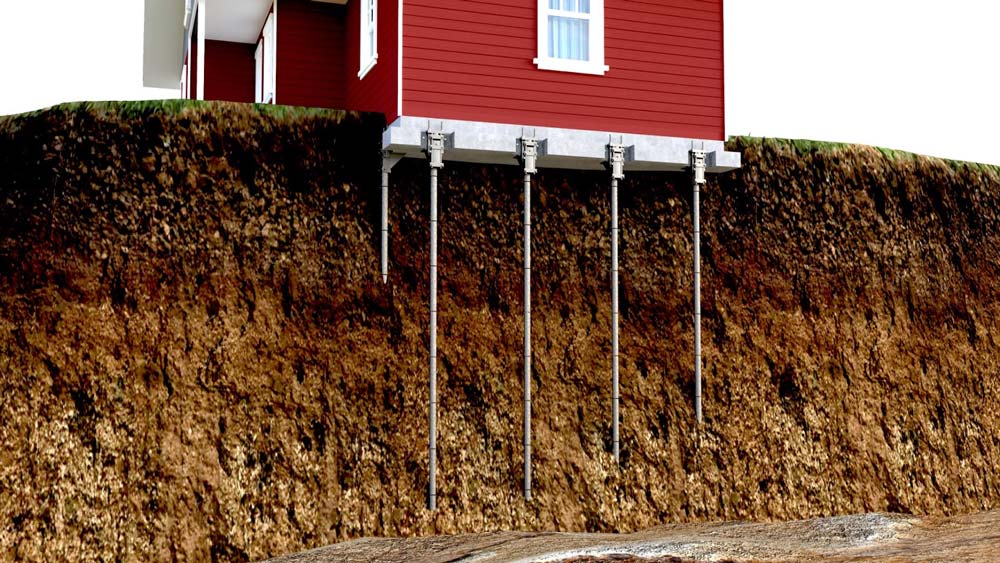
- Underpinning: This process is used to stabilize and strengthen the foundation of a house. It’s often necessary when the soil beneath the foundation has shifted or settled unevenly.
When To Call A Professional
While some minor cracks can be addressed with DIY solutions, there are times when it’s best to call in a professional. Here’s when you should seek expert help:
Significant Cracking
Wide, deep, or growing cracks in your brickwork should be assessed by a professional. They often indicate a serious underlying issue that requires specialized knowledge to address.
Foundation Issues
If you suspect the cracks are related to foundation movement, such as settling or soil expansion, consult a foundation specialist immediately. This situation can worsen over time and lead to far more significant problems.
Water Damage
If water is penetrating your brickwork, leading to cracks or erosion, address the issue promptly. A professional can help identify the source of the moisture and recommend appropriate repairs, such as installing a waterproof barrier or improving drainage.
Get An Expert Assessment Today!
If you’re concerned about cracks in your brick home, request a quote from our experts today. Visit our contact page to schedule a consultation and protect your home from further damage.
