


A strong and stable foundation is essential for the integrity of any home. However, over time, factors like shifting soil, water damage, and aging can cause foundations to sag, leading to a range of structural issues. Using house leveling jacks for foundation repair is an effective solution to lift and secure your home, restoring its stability and preventing further damage.
Whether you’re a homeowner facing foundation problems or simply seeking to understand your options for future issues, knowing how to address a sagging foundation is invaluable. Continue reading to discover the benefits of house leveling jacks and learn the steps involved in using them to ensure a safe and secure living environment.
What Is A Sagging Foundation?
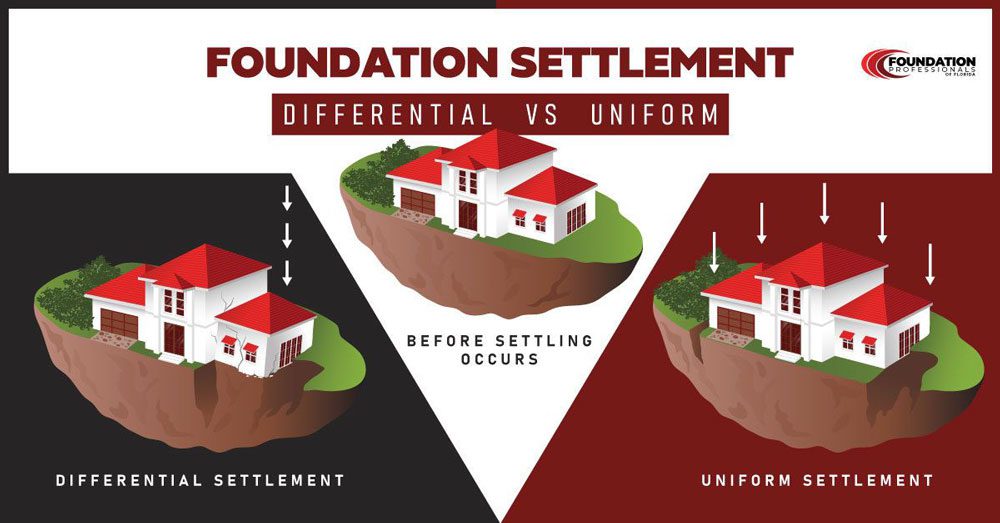
A sagging foundation occurs when part of your home’s base sinks or settles unevenly. The uneven settlement leads to sagging floors and soft spots that can worsen over time. Typically, sagging foundation issues happen to houses built with pier and beam foundations, but all foundation types can become uneven.
When a part of a foundation begins to sag, there are usually serious problems afoot that need to be addressed. Often, these problems can even compromise the structural integrity of your entire house, especially when left unchecked. It is very important to have your foundation inspected as soon as you notice symptoms that may indicate a sagging foundation.
Common Signs Of A Sagging Foundation
Identifying a sagging foundation early can save you significant time and money, as addressing these issues promptly can prevent more severe damage down the line. Common signs to watch for include:
- Cracks in Walls and Ceilings: These may appear as fine lines or larger fissures, indicating that your home’s structural integrity is compromised.
- Uneven or Sloping Floors: If you notice that your floors are not level or feel unsteady underfoot, it could be a sign that the foundation is shifting.
- Doors and Windows That Stick or Won’t Close Properly: Difficulty in opening or closing doors and windows can indicate misalignment due to foundation movement.
- Gaps Between Walls and Ceilings or Floors: Noticeable gaps can suggest that your home is settling unevenly, often signaling deeper foundation issues.
These indicators suggest that your foundation may be settling unevenly, which can put significant stress on your home’s overall structure. It’s crucial to take action quickly if you notice any of these symptoms to avoid more extensive repairs.

Causes Of Foundation Sagging
Understanding the causes of foundation sagging is essential for homeowners, as several factors can contribute to this problem. These include:
- Poor Soil Conditions: Expansive clay soil and loose, sandy soil can shift and settle over time, particularly in areas with fluctuating moisture levels. This can lead to instability in the foundation.
- Water Damage: Excess water from poor drainage, heavy rainfall, or plumbing leaks can erode the soil around the foundation. This erosion can lead to a loss of support, causing the foundation to move or settle irregularly.
- Aging Materials: Over time, the materials used in your foundation can weaken and deteriorate due to environmental factors and the natural aging process. As these materials break down, they may no longer provide adequate support.
Knowing what causes foundation sagging can help you take preventative measures to protect your home. Regular inspections, addressing drainage issues, and ensuring your home’s materials are in good condition can help maintain a stable foundation.
House Leveling Jacks: Your Foundation’s Best Friend
House leveling jacks are specialized tools designed to lift and support a sagging foundation. They come in various types and sizes, suited to different lifting needs. Essentially, house jacks act as powerful levers, providing the force needed to elevate and stabilize your home’s foundation.
How Do House Leveling Jacks Work?
House leveling jacks work by distributing weight evenly across specific points under your home’s foundation. By strategically placing jacks and exerting controlled force, professionals can slowly lift the sagging sections of your foundation back to their original level. Here’s a simple diagram to illustrate the process.

Benefits Of Using House Leveling Jacks
Using house leveling jacks for foundation repair offers several benefits:
- Precision: This method allows for highly precise leveling and stabilization, ensuring that surfaces are perfectly aligned and secure, which is crucial for both safety and aesthetics.
- Cost-Effective: It is typically less expensive than other repair methods, making it a budget-friendly option for homeowners looking to maintain or improve their property without breaking the bank.
- Minimal Disruption: The installation process is quick and efficient, causing minimal disruption to your daily life. You can expect a faster turnaround time, allowing you to return to your routine with as little inconvenience as possible.
House jacks provide an efficient and effective solution to foundation problems, ensuring your home stays safe and stable.
DIY vs. Professional Service
Hiring a professional for foundation repair has several advantages that can outweigh the temptation to do it yourself. Professionals have the expertise to accurately assess and fix foundation issues, ensuring the job is done right the first time. Safety is also a major concern; handling heavy equipment and lifting a house carries significant risks best managed by trained technicians.
If you’re considering a DIY approach, it’s important to recognize the potential challenges and risks. Foundation repair requires specialized knowledge and tools that most homeowners lack. Improper lifting techniques can cause further damage, worsening the situation. Moreover, DIY repairs can be time-consuming and may not achieve the same results as professional work, often leading to higher costs in the long run due to mistakes.
Preventative Measures And Maintenance
While you can’t completely prevent uneven settlement caused by factors like inconsistent soil compaction, expansive soils, or serious issues like sinkholes, there are steps you can take to ensure your home is less vulnerable to these problems. Specifically, some foundation sagging issues arise from inadequate drainage and poor landscaping practices.
Here are a few strategies to help you avoid inadvertently causing a sagging foundation problem or exacerbating an existing one.
Drainage Solutions
Proper drainage is essential for the health and longevity of your foundation. Without adequate drainage, water can accumulate around your home, leading to significant structural issues over time. To ensure effective drainage, make sure to:
Regularly clean and maintain your gutters and downspouts to ensure they direct water away from your home’s foundation. Consider installing gutter guards to prevent debris buildup and downspout extensions to carry water away from your foundation before release.
Check that the ground around your foundation is sloped away from the structure. This allows rainwater to flow away rather than pooling against the foundation. If necessary, you may need to regrade your yard.
If your property is prone to heavy rainfall or has poor drainage, installing French drains can be a wise decision. These systems help manage excess water by channeling it away from your home, reducing the risk of flooding and erosion.
Landscaping Best Practices
Landscaping plays a vital role in maintaining the stability of your foundation. The way you design and care for your yard can significantly impact the moisture levels in the soil surrounding your foundation. Follow these tips to ensure a healthy foundation:
- Plant Trees and Shrubs Away: Be mindful of the placement of trees and shrubs. Plant them at a safe distance from your foundation to prevent their roots from disrupting the soil and causing movement. Some tree roots can extend far beyond the canopy, so consider their full growth potential when planting.
- Mulch Beds: Mulching your garden beds is an effective way to retain soil moisture, especially during dry seasons. Mulch not only conserves water but also helps regulate soil temperature, preventing extreme fluctuations that can affect foundation stability.
- Avoid Over-Watering: While it’s essential to keep your plants healthy, too much water can lead to soil erosion and instability around your foundation. Implement a balanced watering schedule, and consider using drip irrigation to provide moisture directly to the root zone without oversaturating the surrounding soil.
Ready To Get Started? Contact Us Today!
If you’ve noticed any signs of foundation sagging, don’t wait—take action now to protect your home. For more information and professional advice, contact us here at Foundation Professionals of Florida for a free consultation. Your home deserves the best care, so ensure it stands strong for years to come.
