


Owning a vintage or historic home can be a dream come true, with its unique charm, rich history, and architectural flair. However, uneven floors in old houses can make that dream feel more like a nightmare. You’re not alone if you’re a homeowner dealing with this issue. This article will guide you through the different types of uneven floors, what causes them, when to worry, and most importantly: how to fix and prevent them. By the end, you’ll clearly understand what your old house is trying to tell you and how to address it.
The Different Types Of Uneven Floors
Sagging, Dipping, And Bouncy Floors
When you walk across the floor of an older home, you may notice dips in the floor or certain boards that bounce under your feet. This can be disconcerting, especially if you hear creaking sounds. Weakened floor joists or beams often cause sagging floors, whereas bouncy floors may indicate that the floor joists are too far apart or not adequately supported.

Sloping And Slanted Floors
Sloping or slanted floors are another common issue in older homes. These can be particularly noticeable when you place a ball on the floor and watch it roll to one side or parts of the floorboards separate from the floor. While some slopes are natural in older homes, excessive sloping can indicate a more severe problem. Foundation settling or structural shifts can cause sloping floors. It’s essential to identify the root cause before attempting any repairs. Ignoring the issue could lead to more significant problems, including cracks in walls and doors or windows that won’t close properly.
Is It Normal For Older Houses To Have Uneven Floors?
It’s common for older houses to have some degree of unevenness in their floors. Over time, various factors like settling, wear and tear, and environmental conditions can cause floors to shift slightly. While a minor slope might not cause concern, unevenness could indicate underlying issues that need attention. Understanding the difference between normal wear and potentially harmful unevenness is crucial. Regular inspections and maintenance can help identify problems early, making them more manageable and less costly.
What Causes Uneven Floors In Old Homes?
Foundation Issues
Foundation problems are one of the leading causes of uneven floors. Over time, the soil beneath a house can shift, causing differential settlement. Differential settlement can lead to uneven foundation cracks and, consequently, uneven floors.
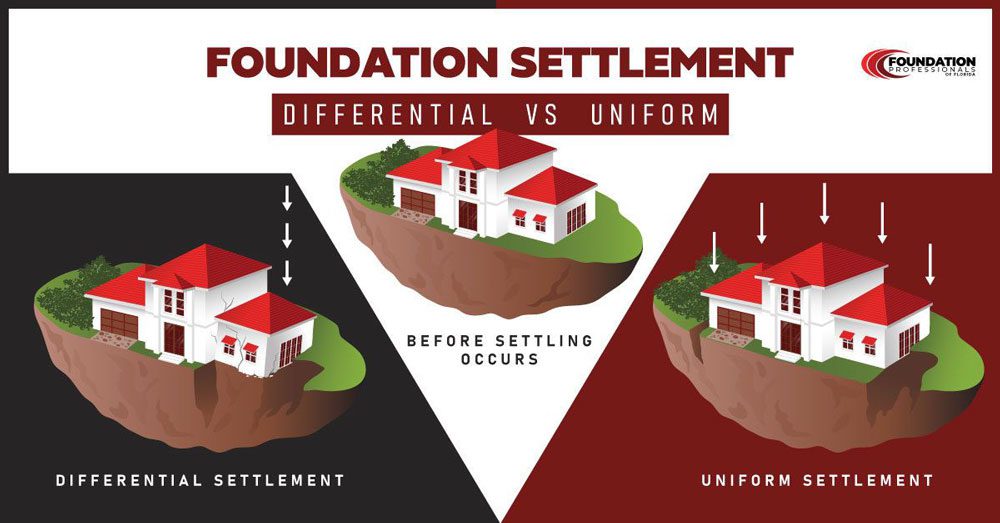
In many cases, foundation issues stem from poor drainage around the house. Water can erode the soil, causing it to shift and settle, or exert intense pressure on the foundation, causing cracks and seepage. Ensuring proper drainage and addressing any water issues promptly can help mitigate these problems.
Structural Damage
Structural damage, such as rotting beams or joists, can cause uneven floors. Moisture is often the culprit behind rotting wood, so it’s essential to address any leaks or water damage immediately. Termites and other pests can also cause significant structural damage if left unchecked. Regular inspections, pest control, and foundation waterproofing measures can help protect your home from these destructive invaders.
Moisture
Aside from the previously mentioned moisture-related problems, moisture can also cause wooden flooring to swell and warp, further contributing to unevenness. Moisture can come from high humidity levels within the home, a broken pipe, or flooding. Regulating the humidity in your home and quickly addressing any leaks is essential for protecting your home’s floors.
When Should You Worry About Uneven Floors In An Old House?
While some unevenness is normal in older homes, certain signs should prompt you to seek professional help. These include:
- Cracks in Walls or Ceilings: Cracks indicate that your home’s structure is under stress and may need reinforcement.
- Doors and Windows That Stick: Difficulty opening and closing doors or windows can signify shifting foundations or structural issues.
- Gaps Between the Floor and Wall: Visible gaps can indicate that your floors are shifting or settling unevenly.
- Noticeable Sloping: If you can see or feel a significant slope, it’s worth investigating further.

Ignoring these signs can lead to more extensive and costly repairs in the future. It’s always better to address issues early to maintain the safety and integrity of your home.
How To Fix Uneven Floors In An Old House
Professional Assessment
The first step in fixing uneven floors is getting a professional assessment from a reputable foundation repair contractor. They can identify the root cause of the problem and recommend appropriate solutions. If you change the flooring in your home without addressing the root problem, the floor’s unevenness will reappear. It may even worsen the underlying problem, making such an investment a waste of money and energy.
Reinforcing Floor Joists
If your floor is sagging and you have a crawl space foundation, the issue likely lies with your floor joists. A professional can reinforce or replace the floor joists to support the sagging areas. This might involve installing sister joists (additional wooden beams placed alongside existing ones), using steel brackets for extra strength, or installing crawl space jacks.

Foundation Repair
If foundation issues are the cause, you may need to invest in foundation repair techniques like underpinning or slab jacking to stabilize the foundation and prevent further settling.
- Underpinning: This involves installing steel push or helical piers under the foundation to reinforce and level it. Piers connect the sinking foundation to more stable soil or bedrock and raise it back up.
- Slab Jacking: In this method, a contractor drills holes into the concrete slab and injects grout or foam underneath to raise and stabilize it.
How To Prevent Uneven Floors
Prevention is always better than cure, particularly for maintaining even floors in an old house. By being proactive and adopting preventive measures, you can significantly reduce the risk of uneven floors developing. These measures include:
- Regular Foundation Inspections: Annual inspections by a professional can help identify and address issues before they become significant problems. Catching issues early can save you time, money, and stress in the long run.
- Water Management: Proper drainage and water management around your home can help prevent soil erosion, foundation settling, wood rot, pests, and other moisture-related issues. Try the following:
- Ensure your gutters are clean and direct water away from your foundation.
- Install downspout extensions to carry water at least 10 feet from the foundation.
- Regrade your yard so it slopes away from your home.
- Quickly fix any leaking pipes.
- Encapsulate your crawl space and install a dehumidifier to prevent moisture penetration.
- Waterproof your basement with a vapor barrier.
- Install a drainage system.
- Pest Control: Regular pest control measures can help protect your home from termites and other pests that can cause structural damage.
Should You Buy An Older Home With Uneven Floors?
Buying an older home with uneven floors can be a tough decision. While minor unevenness is often manageable, significant issues can require substantial investment. Before purchasing, it’s essential to get a thorough inspection by a qualified professional. They can provide an accurate assessment of the condition of the floors and the home’s overall structure, as well as a repair estimate.
During the negotiation process, you can have the seller deduct the estimated cost of repairs from the final sale price or even require the seller to fix the underlying issue before the sale is completed. However, if the seller refuses such terms, it is essential to consider the potential costs and whether you can invest in necessary repairs. If you’re passionate about preserving the character of an older home, the investment may be well worth it.
We Can Help You Fix Your Uneven Floors
If you’re dealing with uneven floors in your older home or are considering buying an older home, don’t hesitate to seek professional advice. Your home is a significant investment, and taking proper steps can ensure it remains safe, stable, and beautiful for years. We have decades of experience and proudly offer Florida foundation inspections and repair quotes.
