


Owning a home is a monumental achievement but comes with its share of responsibilities. One common issue that many homeowners face is hairline cracks in their foundation. While these tiny fissures may seem insignificant, they can lead to more significant problems if not adequately understood and addressed. This article will guide you through everything you need to know about hairline foundation cracks, including what causes them, when to worry, and how to fix and prevent them. By the end, you’ll be well-equipped to protect your home from potential structural issues.
What Are Hairline Cracks?
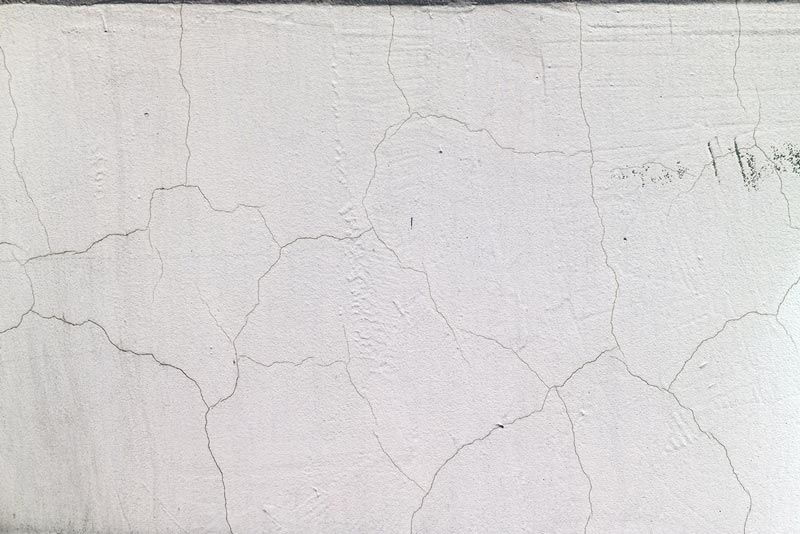
Hairline cracks are tiny cracks that typically measure less than 1/16 inch (1.5 mm) in width. They often appear in the surface layer of concrete foundations and are usually thin and shallow. Despite their size, they can be a source of concern for homeowners who worry about the integrity of their foundation.
These cracks are often found in newly-built homes as the concrete cures and shrinks slightly. They can also appear in older homes due to factors such as temperature changes or minor soil settling beneath the foundation. Although hairline cracks are generally considered minor, it’s crucial to understand their implications and know when to take action.
Are Hairline Foundation Cracks Normal?
The short answer is yes, to some extent. Hairline cracks are common in both new and old homes. These cracks often result from the natural curing process of concrete, which can cause slight shrinkage and create tiny fissures.
However, while hairline cracks are generally not a cause for immediate concern, they should not be ignored. Regular monitoring is essential to ensure they do not widen or lengthen over time, which could indicate a more serious underlying issue. If the cracks remain stable, they are usually harmless. But if they begin to grow or allow water seepage, it may be time to consult a professional for further evaluation.
What Causes Hairline Cracks In Foundations?
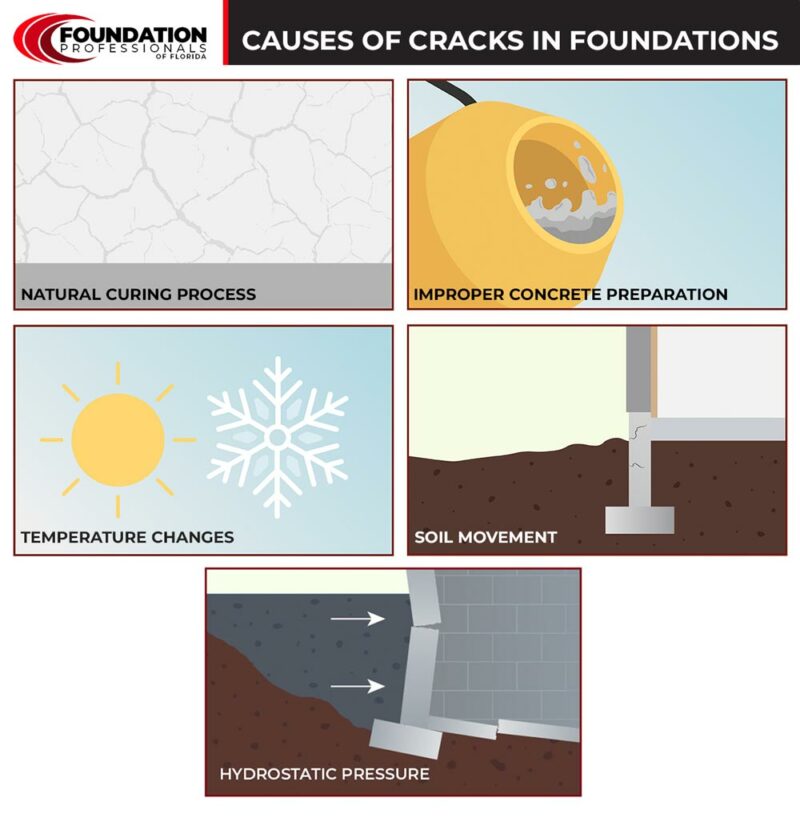
Understanding the root causes of hairline cracks can help homeowners take preventive measures. Several factors contribute to the formation of these cracks:
- Natural Curing Process: When concrete is poured, it undergoes a curing process where it hardens and gains strength. During this stage, the water in the mixture evaporates, causing the concrete to shrink slightly. This shrinkage can lead to the development of hairline cracks.
- Improper Concrete Preparation: How concrete is mixed and poured can significantly affect its durability and the likelihood of crack development. If the concrete mix contains too much water or is not adequately mixed, the final product may be weaker and more susceptible to cracking. Additionally, improper placement and finishing techniques can create stress points within the foundation, making it more likely to crack as it cures.
- Temperature Changes: When the weather heats up, the concrete expands, and when it cools down, it contracts. Over time, this repetitive movement, known as thermal expansion and contraction, can form small cracks on the surface of the foundation. These cracks may initially be minor, but as the cycle continues and other factors such as moisture and pressure come into play, they can widen and deepen, potentially compromising the structure’s integrity.
- Soil Movement: The soil beneath your home’s foundation can shift for various reasons, such as changes in moisture levels, poor compaction, seismic events, or natural settling. When the soil moves, it can stress the foundation, leading to hairline cracks.
- Hydrostatic Pressure: Hydrostatic pressure occurs when water accumulates in the soil surrounding your foundation. This often happens after heavy rainfall, snowmelt, or due to poor drainage systems. The excess water increases the pressure exerted on the foundation walls. Over time, this pressure can cause the concrete to crack, including forming hairline fissures.
When To Worry About Cracks In Your Foundation
While hairline cracks are often harmless, certain signs may indicate a more severe problem. Here are some red flags to watch for:
- Widening or Lengthening Cracks: If you notice that hairline cracks are growing, it could indicate ongoing structural movement. This requires professional assessment to determine the cause and necessary repairs.
- Multiple Cracks: Having numerous hairline cracks in the same area may suggest an underlying issue that needs attention. It could indicate problems like soil movement or improper construction practices.
- Cracks Accompanied by Other Issues: If you observe cracks and other issues such as uneven floors, sticking doors or windows, or water leakage, it’s time to seek professional advice. Together, these symptoms can indicate more severe foundation problems.
How To Repair Hairline Foundation Cracks
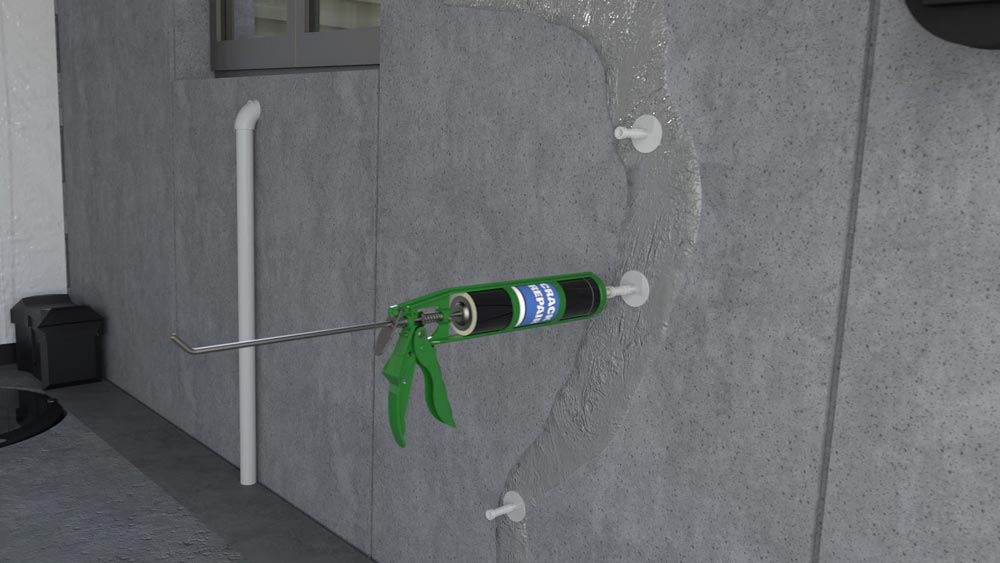
Minor hairline foundation cracks can often be fixed using simple DIY methods. Homeowners can use concrete patching compounds or crack fillers designed explicitly for narrow gaps. However, professional epoxy injection offers a more permanent and robust solution than DIY methods, especially for more extensive or problematic cracks. Epoxy injection involves injecting a high-strength epoxy resin into the crack, effectively sealing it and restoring the structural integrity of the concrete. This method is highly effective because the epoxy fills the crack, forming a bond that is often stronger than the original concrete, and it is waterproof. By opting for professional epoxy injection, homeowners can gain peace of mind knowing that their foundation is stable and secure.
How Much Does It Cost To Repair Hairline Foundation Cracks?
The cost of repairing hairline foundation cracks can vary depending on the size and extent of the damage and the materials used. On average, homeowners can expect to spend a few hundred dollars for DIY repairs, including the cost of patching compounds, tools, and any additional materials needed. For more significant repairs or when professional assistance is required, the price can range from a few hundred to a few thousand dollars or more. Obtaining estimates from reputable contractors is essential to ensure you receive a fair price for the necessary work and resolution of the underlying problem, not just a patch job.
How To Repair More Significant Cracks In Your Foundation
If your foundation has more significant cracks or structural issues, it’s crucial to have a foundation inspection and promptly address the problem to prevent further damage. Significant cracks require more robust repair methods to ensure the stability and safety of your home, including:
- Underpinning: Push piers and helical piers stabilize and lift sinking foundations. Push piers are driven into the ground until they reach stable soil or bedrock, providing a solid base to lift the building. Helical piers are twisted into the ground, ideal for areas with shifting soil due to their spiral design, which distributes weight evenly.
- Compaction or Permeation Grouting: Compaction and permeation grouting offer practical solutions for foundations affected by loose or shifting soil. Compaction grouting injects thick grout to compact and stabilize soil, increasing bearing capacity and stabilizing foundations. Permeation grouting uses low-viscosity grout to fill voids and stabilize soil, preventing further movement and reinforcing support.
- Wall Anchors or Helical Tiebacks: These are used for bowing or tilting foundation walls. Wall anchors consist of metal plates and rods that gradually straighten walls, while helical tiebacks use helical rods for immediate, adjustable tension.
- Carbon Fiber Repair: This is ideal for structural cracks. Carbon fiber straps bonded with epoxy resin reinforce walls, offering a strong, lightweight, and minimally invasive solution.
How To Prevent Foundation Cracks
Prevention is always better than cure. Here are some practical tips to help you prevent foundation cracks:
- Proper Site Preparation: Ensure proper site preparation during construction, including appropriate soil compaction and quality materials. Good construction practices can go a long way in preventing foundation issues in the future.
- Maintain Proper Drainage: Ensure your home’s gutters and downspouts direct water at least 10 feet from the foundation. If your property has poor drainage, consider installing a drainage system.
- Keep Trees and Shrubs Away from the Foundation: This will prevent roots from displacing soil and contributing to cracking.
- Monitor Changes: Regularly inspect your home’s foundation, floors, walls, and ceilings for any signs of cracks. Early detection allows prompt intervention before minor cracks become more significant problems.
While hairline foundation cracks are often a normal part of homeownership, it’s essential to understand their causes and know when to take action. By staying vigilant and following the steps outlined in this blog post, you can protect your home from potential structural issues and ensure its long-term stability.
If you have concerns about foundation cracks and live in Northern or Central Florida, schedule a free inspection and repair estimate today. We are eager to help you resolve your foundation issues, protecting and stabilizing your home for decades.
