


The Unsettling Reality of Sinkholes and Insurance in the Sunshine State
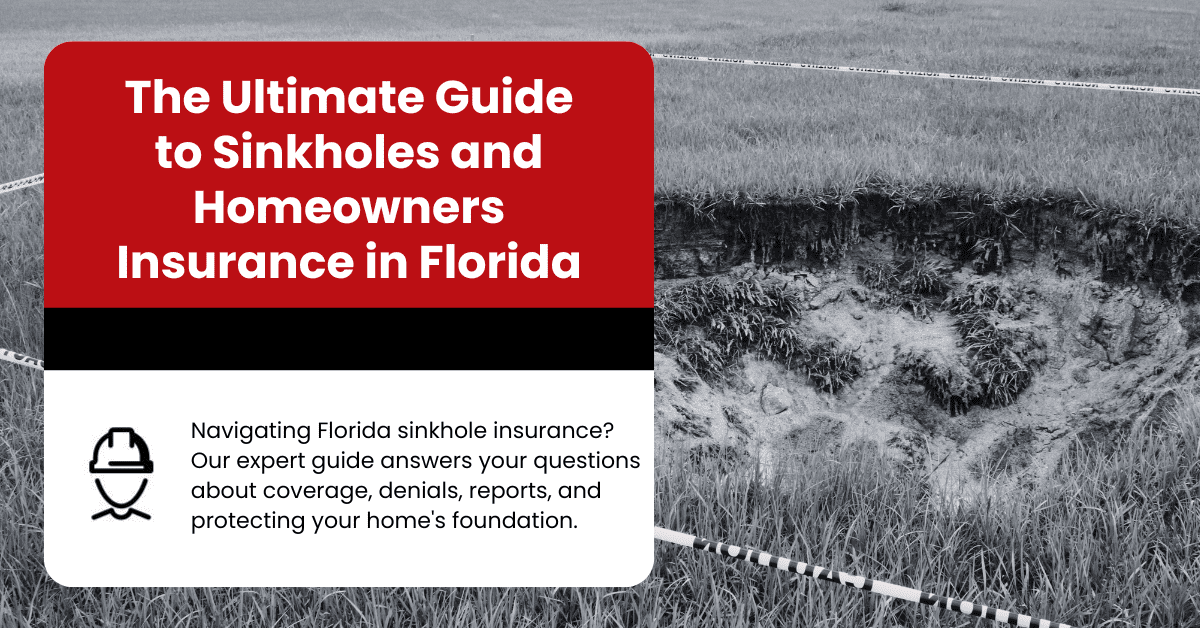
Florida’s beautiful landscape hides a geological reality: sinkholes. These subterranean cavities can create significant challenges for homeowners, particularly when it comes to insurance. Navigating the complexities of sinkhole coverage and understanding your rights can feel overwhelming. This guide aims to be your #1 resource, providing clear, comprehensive answers to all your questions about sinkholes and homeowners’ insurance in Florida.
Understanding the Ground Beneath Your Feet: All About Sinkholes in Florida
 What is a sinkhole, and how does it form in Florida’s unique geology?
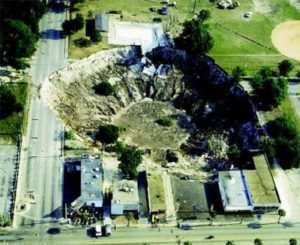
Sinkholes are depressions in the ground that form when underlying rock, usually limestone, is dissolved by groundwater. Florida’s geology, characterized by abundant limestone and high rainfall, makes it particularly susceptible to this phenomenon. Over time, the dissolving rock creates underground voids. When the overlying sediment or soil can no longer support the weight above, it collapses into the void, creating a sinkhole.
What are the different types of sinkholes I might encounter?
There are several types of sinkholes, but the most common in Florida include:
- Cover-subsidence sinkholes: These form gradually as soil slowly filters into the underlying voids.
- Cover-collapse sinkholes: These are more dramatic, occurring suddenly when the surface layer collapses into a void.
- Dissolution sinkholes: These form where there is little or no overlying sediment, and the limestone is directly exposed to dissolving groundwater.
What are the immediate warning signs of sinkhole activity around my property?
Early detection is crucial. Be alert for these warning signs:
- New cracks in walls or floors
- Doors or windows that stick or are difficult to close
- Sloping or uneven floors
- Visible depressions in your yard
- Muddy or discolored well water
What kind of damage can a sinkhole cause to my home’s foundation and beyond?
The damage can range from cosmetic to catastrophic:
- Minor: Foundation cracks, sticking doors/windows, uneven floors.
- Moderate: Significant foundation settlement, wall cracks, plumbing problems.
- Severe: Structural instability, potential collapse of the home.
Are some areas of Florida more prone to sinkholes than others? How can I find out the risk level in my area?
Yes, certain regions of Florida are more susceptible due to their geology. While there are maps showing zones of sinkhole occurrences, these are typically based on historical data and general geology. They are not precise predictors of future sinkhole formation. Contacting your local county government or geological survey may provide more localized information.
Can sinkholes be predicted? What is the science behind sinkhole risk assessment?
Predicting sinkholes with certainty is impossible. Rink assessment involves analyzing geological data, historical sinkhole activity, and groundwater patterns. However, these assessments provide a general indication of risk, not a guarantee.
Navigating the Complex World of Sinkholes and Homeowners Insurance in Florida
Our insurance company has informed us that the area where we are going to purchase property is listed as a sinkhole area. What does this mean? What can we do about? Should we buy in that area?
This designation indicates a higher-than-average risk of sinkhole activity due to the area’s geology and history. It means you may face challenges obtaining affordable homeowners insurance.
- What to do:
- Inquire about sinkhole coverage: Ask potential insurers about their specific policies and coverage for sinkhole damage.
- Obtain geological assessments: Consider hiring a qualified geologist to assess the specific property’s risk.
- Weigh risks and benefits: Carefully consider the potential for sinkhole activity against the benefits of the property.
- Review property history: Research any past sinkhole remediation efforts on the property.
What is “catastrophic ground collapse coverage” in Florida, and how does it relate to sinkhole damage?
Florida law requires insurance companies to provide coverage for “catastrophic ground collapse.” However, this coverage has a narrow definition. It typically only applies to sudden, dramatic collapses where the ground is rendered uninhabitable. It often doesn’t cover the more common, gradual sinkhole damage like foundation settlement or cracks.
What is “specific sinkhole coverage,” and why might I need it in Florida?
Specific sinkhole coverage is an optional add-on to your homeowners insurance. It provides broader protection against sinkhole damage, including gradual settlement and foundation issues that don’t meet the strict definition of “catastrophic ground collapse.” Given the prevalence of sinkholes in Florida, this coverage is highly recommended.
I was denied homeowners insurance because there is a sinkhole within one-half mile of my home. What can I do?
Insurance companies often deny coverage based on proximity to a known sinkhole, as it increases the perceived risk.
- Actionable steps:
- Shop around: Contact multiple insurance providers. Policies and underwriting guidelines vary significantly.
- Inquire about underwriting: Ask about their specific rules regarding sinkholes and proximity.
- Consider brokers: Seek out insurance brokers specializing in high-risk properties.
- Mitigation efforts: If the nearby property has undergone sinkhole remediation, inquire if that impacts insurability.
Why do insurance companies use private sinkhole data, and how does it affect my coverage options?
Insurance companies use various data sources, including private sinkhole databases, to assess risk. This data helps them determine premiums and coverage terms. Access to this data is often proprietary, making it difficult for homeowners to fully understand its impact.
If a sinkhole forms on or near my property, what are my responsibilities as a homeowner regarding my insurance company?
You have a responsibility to promptly notify your insurance company of any suspected sinkhole activity or damage. Document everything thoroughly with photos and videos. Be prepared to cooperate with their investigation and provide any requested information.
Can my insurance rates go up if there’s sinkhole activity in my neighborhood, even if my property isn’t directly affected?
Yes, it’s possible. Insurance companies may raise rates in areas with increased sinkhole activity, even if individual properties haven’t experienced direct damage. This is because the overall risk in the area is perceived as higher.
Accessing Information and Resolving Insurance Issues Related to Sinkholes

Sinkhole
My insurance company has done sinkhole testing at my house, but has not released the report to us. Is there a way to see if a sinkhole report has been filed on my home address?
Florida law (Florida Statute 627.7073) clearly states that you are entitled to a copy of any sinkhole testing report conducted on your property. This report is considered a public document and should be readily provided to you by your insurance company or the engineering/geology firm that performed the testing.
- How to obtain the report
- Directly contact your insurance provider: Clearly and formally request a copy of the sinkhole report. They are obligated to provide it.
- Contact the testing firm: If you haven’t received it from your insurer, reach out directly to the engineering or geology firm that conducted the testing. They also have a responsibility to provide you with a copy.
- Check with the county Clerk of Court: As a secondary measure, Florida law requires insurance companies to file a copy of the report with the Clerk of Court in the county where the property is located. You can check their records as well.
It’s important to understand that you have a right to this information. While the steps above outline how to obtain it, you should not have to encounter significant hurdles in accessing a report that directly concerns your property.
Who may I call to obtain further information on insurance in Florida or to issue a complaint about my insurance company?
The Florida Department of Financial Services (DFS) is the state agency responsible for overseeing and regulating the insurance industry in Florida. They provide valuable information to consumers about insurance policies and also handle complaints against insurance companies for issues such as unfair practices, improper claim handling, or policy disputes.
- HELP LINE: 1-877-693-5236
- Website: https://www.myfloridacfo.com/
What should I do if I disagree with my insurance company’s assessment of sinkhole damage or their coverage decision?
- Document everything: Keep detailed records of all communication, photos of damage, and any expert opinions.
- Seek a second opinion: Hire an independent engineer or public adjuster to assess the damage.
- File a complaint: Contact the Florida Department of Financial Services
- Legal consultation: In complex cases, consider consulting with an attorney specializing in insurance claims
Protecting Your Home and Making Informed Decisions in Sinkhole-Prone Florida
If I live in a sinkhole-prone area, are there any preventative measures I can take around my property?
While complete prevention of naturally occurring sinkholes is challenging, proper drainage around your foundation can help minimize water accumulation in the soil, which is a contributing factor to their formation. Regularly inspecting your property for the warning signs mentioned below is also crucial for early detection.
When buying a home in Florida, what red flags should I look for that might indicate past or potential sinkhole activity?
- Cracks in walls (interior or exterior), floors, or ceilings
- Sloping or uneven floors
- Loose or popping floor tiles
- Interior walls separating from the ceiling
- Cracks in the corner areas of door or window frames
- Drywall nail popping or pushing through
- Sticking doors and windows
- Unexplained increases in water or power bills
- Holes, depressions, dead spots, or very soft soil on the ground surface
- Leaning fences
- Dramatic slopes or patches/holes in the driveway
Should I get a separate geological survey when buying a property in a known sinkhole area? What does this entail?
Yes, a geological survey by a qualified professional is highly recommended. They will assess the specific property’s risk by evaluating soil composition, geological data, and historical sinkhole activity in the area. This provides a more detailed understanding than general risk maps.
What are the common methods for sinkhole repair and foundation stabilization in Florida?
When addressing sinkhole issues, prompt and professional intervention is crucial to stabilize the ground and protect your home. Foundation Professionals of Florida utilizes proven methods for sinkhole repair and remediation:
- Compaction Grouting: This technique involves injecting a specialized polyurethane foam into the soil layers beneath and around the affected area. The foam rapidly expands, compacting the surrounding soil. The process increases the soil’s density and load-bearing capacity, effectively solidifying the ground and filling voids to prevent future collapse. Compaction grouting is a common solution for stabilizing soil and addressing smaller sinkholes.
- Void Filling: For more significant sinkholes or larger underground voids, void filling is employed. Foundation Professionals of Florida uses high-quality polyurethane solutions that are injected into the voids. These solutions expand to fill the space and provide long-lasting stability to the foundation. Notably, their void-filling methods typically requires only a few small injection points, minimizing disruption to the installation site compared to traditional mud-jacking.
The specific repair method chosen will depend on the thorough evaluation of the sinkhole’s size, depth, and the underlying geological conditions. It is essential to rely on experienced professionals to determine the most effective and permanent solution for your property.
Why is it important to address sinkhole issues promptly? What are the long-term consequences of ignoring them?
Ignoring sinkhole activity can lead to progressively worsening structural damage, a significant decrease in property value, an increased risk of catastrophic collapse, and ultimately, much higher repair costs down the line. Addressing these issues early is vital for the safety and financial well-being of homeowners.
How can Foundation Professionals of Florida help homeowners with sinkhole-related concerns?
Foundation Professionals of Florida has been a trusted provider of sinkhole repair and remediation services throughout Florida since 1980, holding an A+ rating with the Better Business Bureau. Their team is highly trained in the latest and most effective sinkhole repair techniques. They are committed to providing permanent solutions to rectify sinkhole damage and prevent future problems for Florida homeowners. If you suspect sinkhole activity or require expert foundation repair, contact Foundation Professionals of Florida for a comprehensive assessment and reliable remediation services.
Conclusion: Navigating Sinkholes and Insurance with Confidence
Dealing with sinkholes and insurance in Florida requires knowledge and proactive measures. With the geological nature of some areas makes sinkholes a possibility, understanding your risks, insurance options, and available solutions is crucial. Where possible, tanking steps to manage drainage around your property can be beneficial, but ultimately, being informed and prepared is your best defense. Remember that experienced professionals like Foundation Professionals of Florida are available to provide expert assessment and repair services, ensuring the safety and stability of your home.
